When Nothing Looks Like It’s Happening (But Everything Is)

It’s been a while since my last update. The short version is that not much appeared to be happening. The longer and more honest version is that a lot was happening, just almost entirely out of sight.

My last post was around Halloween. At that point, our house had been fully demoed, but we still didn’t have the permits needed to move forward. What followed were months that felt stagnant from the outside and exhausting on the inside.

One of the first surprises was learning that a prior builder had never obtained a proper site plan. That discovery alone forced us to step back and start over with a new site plan, which immediately slowed everything down.

Around the same time, we ran into a major code requirement tied to FEMA regulations. This wasn’t a new rule, but it is one that the City of Tampa enforces very strictly, especially after recent hurricanes. Any interior walls on the first floor below FEMA height are required to be removed to prevent future build-outs in flood-prone areas.

In our case, a few of those walls were intended only for storage. Unfortunately, they were also load-bearing.

That single issue triggered a domino effect. Removing load-bearing walls meant changes to the truss plan. Truss changes required updated architectural plans. Updated plans had to be reviewed again by engineers and resubmitted to the city. Even when corrections could be turned around quickly, the city has up to three weeks to review each resubmission. Fast fixes didn’t always lead to fast reviews.

At the same time, Tampa transitioned its permitting process to combine site plan and build plan reviews. In the long run, this is actually a better and more efficient system. Unfortunately for us, we started the process while the two were still separate, which meant navigating multiple reviewers and timelines before the transition was complete. That overlap added complexity and delay that future projects will hopefully avoid.

From the outside, it probably looked like nothing was happening. Internally, it was organized chaos. Almost daily texts with our builder and architect. Follow-ups with planners. Calls and emails with engineers. Conversations with other builders just to understand how to navigate the system better. There was a lot of coordination happening behind the scenes, even when progress felt invisible.

One of the longest delays came from the FAA. A federal government shutdown paused approvals entirely for about 45 days. When things reopened, weeks passed with no movement. After finally getting a direct FAA contact, we learned that what had been submitted was a standard request, but our home height required a different form altogether. That meant starting over.

That moment was rough. I remember feeling sick, thinking we were facing another 45-day delay. Thankfully, the contact I had connected with was incredibly helpful and pushed our approval through in about two weeks instead of the standard timeline. Our FAA approval came in the week after Christmas. Our site plan approval arrived around the same time.

One unexpected bright spot was help from a builder across the street. He offered guidance on how, as the homeowner, I could engage directly with the city. He also helped me get the FAA contact that ultimately moved things forward. It was a good reminder that sometimes progress comes from asking questions and leaning on the right people.
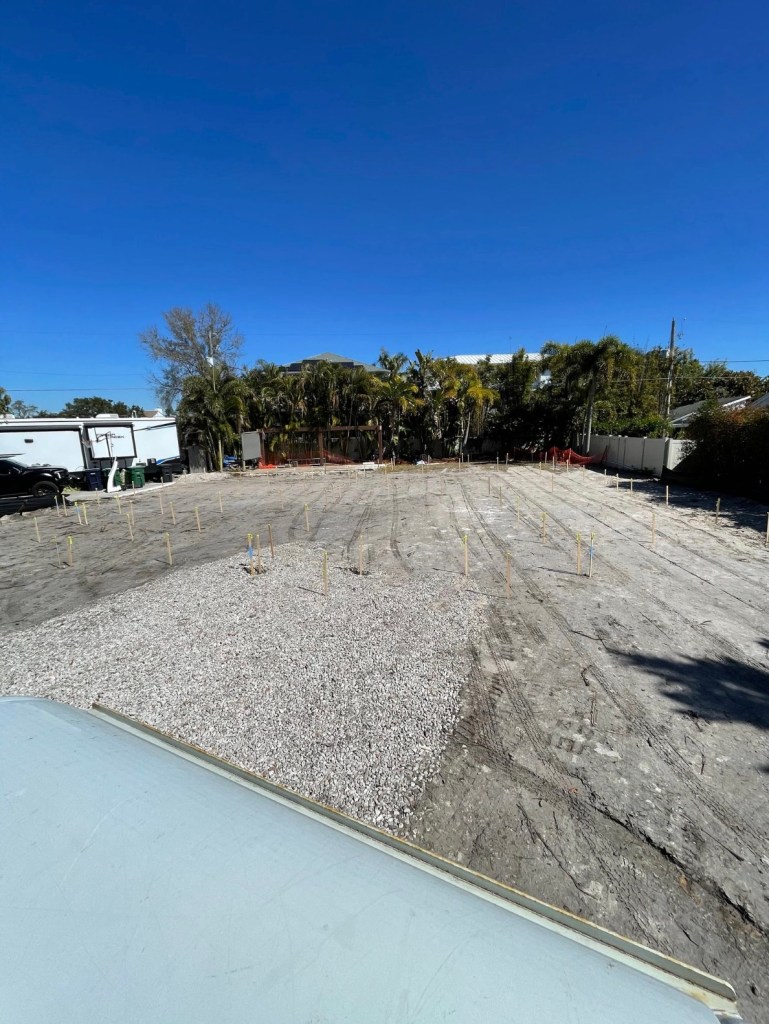
At one point, our builder staked out the exterior corners of the house. Seeing it on the ground was eye-opening. The footprint was larger than we had expected, and one corner ended up being only about three feet from our RV. That discovery led to additional demo work and reinforced just how tight everything is on our lot.

Looking back, I still wonder if there were moments where I could have pushed harder or asked different questions to avoid some delays and cost impacts. I also wish some of these issues had surfaced earlier in the process. But when you’re in it, you’re making the best decisions you can with the information you have at the time.

The real turning point came last Thursday when the building permit was finally approved.
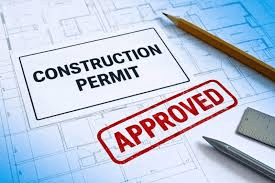
I was on a conference call when I saw the text come through. I asked the employee I was speaking with for a moment because I had just received a message about permits. When I opened it and saw the approval, I had instant happy tears. She knew what we had been dealing with and was genuinely excited for us. That moment felt like a release.

The relief spread quickly. Even my husband seemed relieved, with a noticeable hop in his step. As a family, it felt like a weight we’d been carrying for months finally lifted.

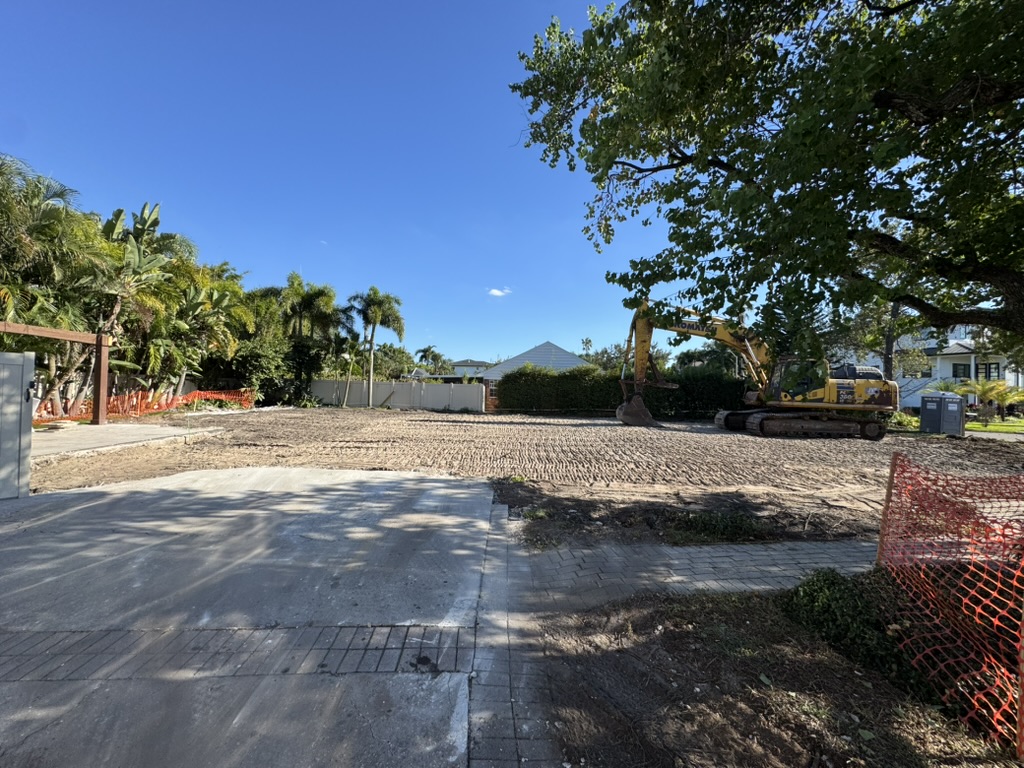
Since then, things have started moving. Additional demo is complete. The lot has been prepped and graded. We’ve signed with an interior designer. The surveyor is scheduled. Contractors have a schedule, and subcontractors are lined up and ready.

There are still things that make me nervous. The proximity of the RV to construction is tight, and timing matters, especially with our loan execution coming up next March. But for the first time in a long while, forward motion feels real.
Screenshot

Living in limbo has been hard, especially worrying about the impact on our daughter. We’ve talked about moving into a rental, but as a family we’ve chosen to stay where we are and push through together. That decision hasn’t been easy, but it’s felt right.

One of the biggest lessons in all of this has been realizing that even when I’m not in control, I still have influence. Construction isn’t my area of expertise, but asking questions, understanding the process, and knowing when to step in has made a difference.

If there’s one thing I’d tell anyone starting a rebuild, it’s this: the process is far more frustrating than you can fully understand going in. People warn you, but you don’t really get it until you’re living it.

Today, though, I feel relief and gratitude. We’re doing well as a family. We’re moving forward. And for the first time in a long time, I’m genuinely excited about the next steps.
Grounded by the FAA (and Other Tales From the Driveway)

You’d think after a year of hurdles — a hurricane, months of insurance paperwork, builder changes, and finally demo day — that we’d be on our way to rising from the rubble.

We were ready. Plans finalized. RV life organized. Hope renewed.
And then came our next delay — courtesy of the federal government.

Apparently, because our house sits one block from a small public airport, our rebuild requires FAA approval before construction can move forward. Yes, the same FAA that oversees airplanes, flight paths, and airspace safety… is currently deciding the fate of our driveway.

And because of the government shutdown?
They’re closed.
So our rebuild is, quite literally, grounded.

Waiting for Takeoff!!


The Irony Isn’t Lost on Us

We’ve weathered a flood, a full demo, and more paperwork than a pilot’s logbook — and somehow, it’s air traffic control that’s holding us up.

I can’t help but imagine the conversation happening somewhere in Washington:

“Sir, there’s a family in Tampa trying to rebuild their house.”

“Near an airport?”

“Yes, but it’s one of those little local ones — you can see their backyard from the runway.”

“Ground them until further notice.”

So, here we are.
Stuck in FAA limbo.
Not because we don’t have permits. Not because of builders or materials.
But because our dream home needs… flight clearance.


Finding Humor Where We Can

If there’s one thing we’ve learned this year, it’s that you either find humor in the chaos — or the chaos finds you.

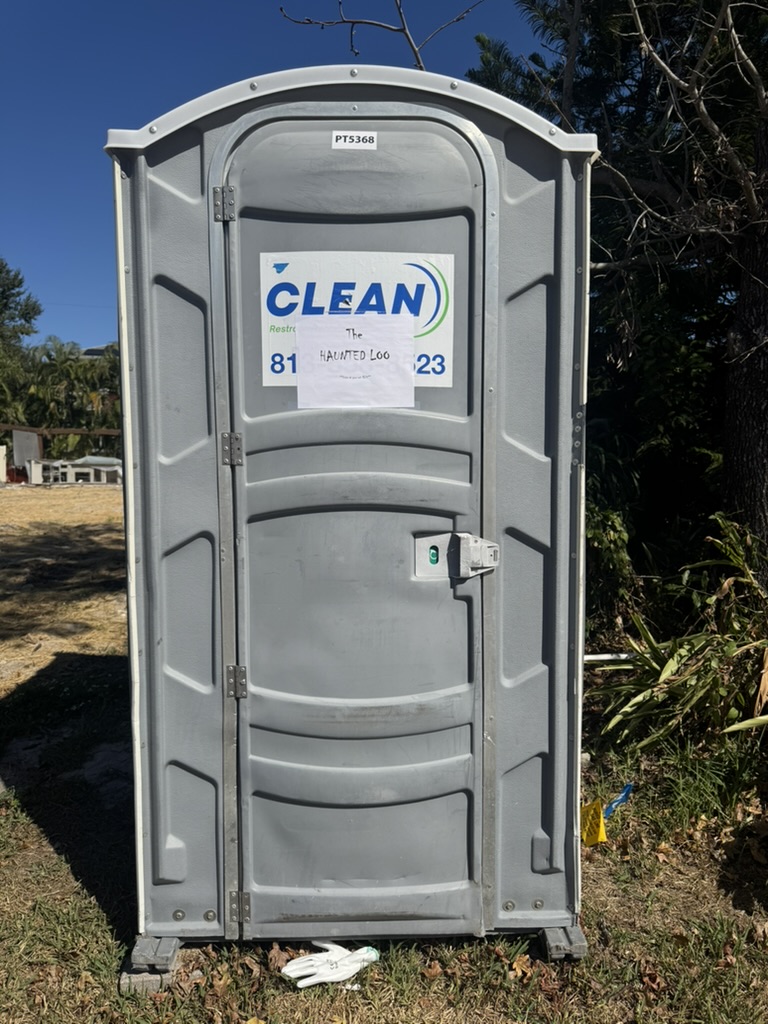
So as we wait for the skies (and the government) to reopen, we’re channeling our energy into something productive: Halloween decorating.

And by “decorating,” I mean the one thing we currently can decorate — our porta potty.

Yes, you read that right.
Since we can’t build a house, we’re making the most festive construction-site bathroom in Tampa.
A few string lights, a mini pumpkin, maybe a plastic bat or two — and we’re calling it “The Haunted Loo.”


Lessons From the Tarmac

All jokes aside, we’ve learned to let go of timelines.
We used to think of delays as failures. Now, we just think of them as… well, future blog content.

Somehow, humor has become our building material. And maybe that’s not such a bad thing.

Until the FAA gives us clearance, we’ll keep doing what we do best — finding joy in the ridiculous, laughing at the delays, and making memories in the middle of the mess.

Because if there’s one thing this rebuild has taught us, it’s that sometimes you have to stop waiting for the clouds to clear — and just build your Halloween porta potty instead. 🎃

#TwoDogsAndADemo #RebuildJourney #FAAApprovedLiving #GroundedByTheFAA #RVLife #DrivewayDwellers #ResilienceOnWheels #HomeOnHold #TampaStrong #RebuildFlorida #HauntedLoo

🏗️ Part 2: The Long Road to Demo Day

If you had told us last fall that it would take nearly a full year to get to demolition day, we wouldn’t have believed you. But that’s the reality of rebuilding after a major storm — patience becomes part of your daily routine.

There were months of waiting, setbacks, and more paperwork than we could’ve imagined. We questioned our decisions, wondered if we should sell, and even looked at homes nearby. But between the low housing market and our daughter’s desire to stay in the community she loves, we knew deep down we were meant to see this through.

So, we waited — and kept working, parenting, planning, and trying to find humor where we could. (I mean, we are a family of 3 with 2 dogs living in an RV- that alone has to be funny!) Slowly, things started to move again. And then, finally, demo day arrived.

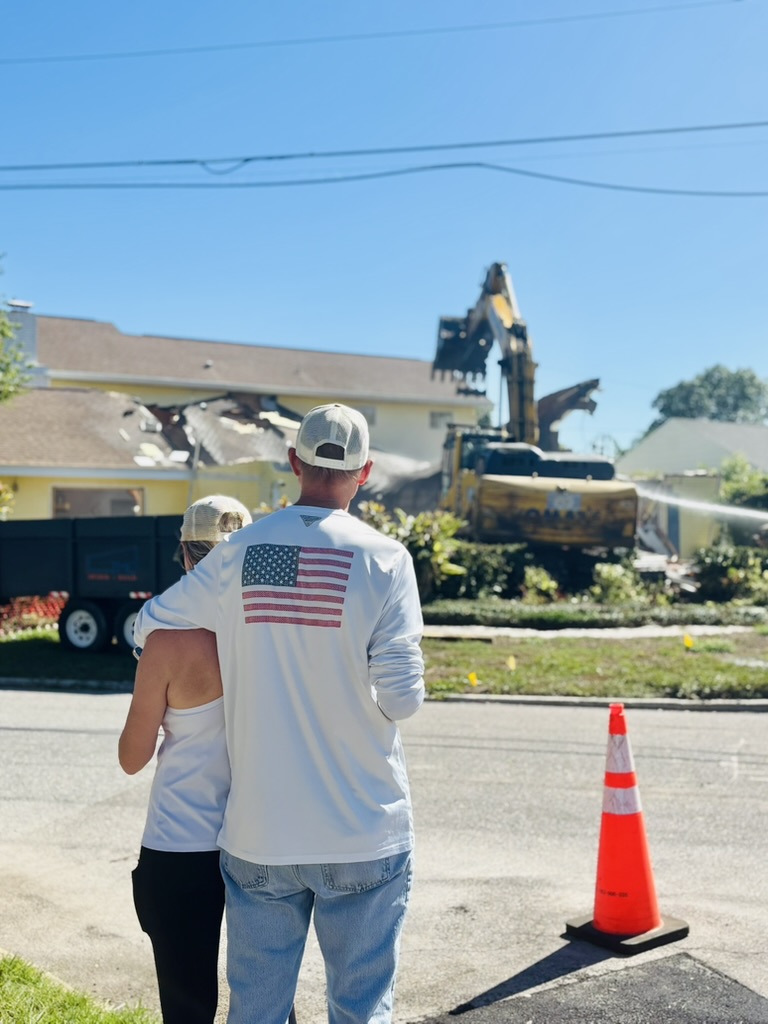
Watching the walls come down was both heartbreaking and healing. This was the home that flooded, the one that held our laughter, our holidays, and our dogs racing down the hallway. But it was also the home that taught us how to start over.

The sound of the first wall falling wasn’t sadness — it was relief. It was motion after a year of stillness.

Gratitude and What Comes Next

It’s hard to believe it’s been a full year since Helene. A year of adjusting, waiting, and doing our best to live life between insurance calls, builder meetings, and driveway dinners.

The rebuild hasn’t started yet, but for the first time, it feels real. We’re finally moving forward — and that’s worth celebrating.

A year ago, we stood in water. Today, we’re standing in possibility.

The road to demo day was long, but it brought perspective, resilience, and a few unexpected blessings along the way. We’ve learned that home isn’t defined by walls — it’s defined by the people (and dogs) inside them.

Here’s to what comes next.

driveway-dwellers family-resilience home-rebuild-journey hurricane-helene it-takes-a-village starting-over two-dogs-and-a-demo

🩵 Part 1: One Year Later — From Flood to Fifth Wheel

One year ago this week, we stood inside our flooded living room, surrounded by two feet of water and disbelief. The house was silent except for the sound of rain and the slosh of water against furniture. There wasn’t a strong current inside, but outside, you could feel it — that quiet pull of the storm as we made our way upstairs to safety.

At the time, we couldn’t see past the next few hours. We didn’t know where to start, what to save, or where we’d even sleep.

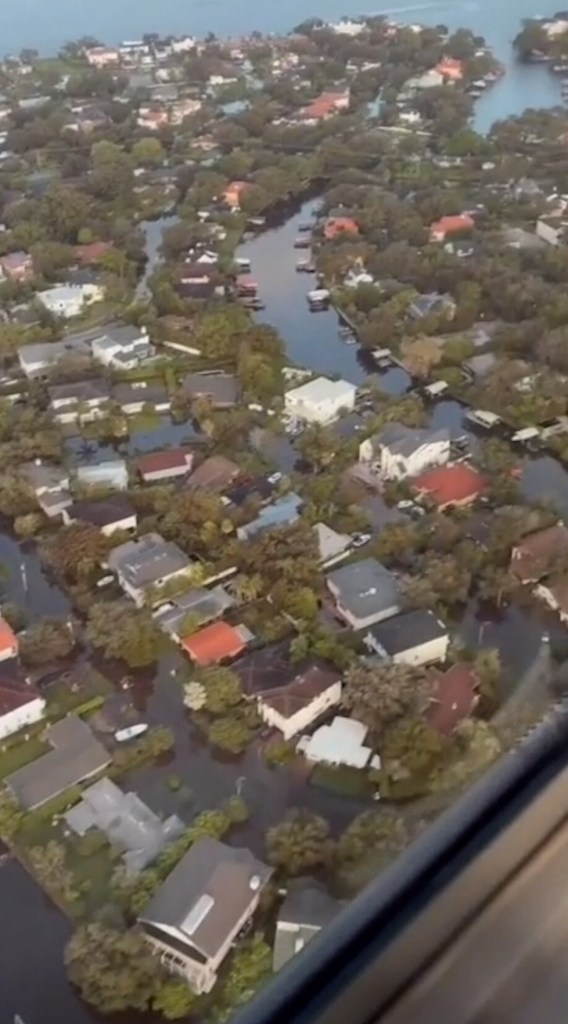
(picture from a helicopter of the streets in our neighborhood)

From Remodel Plans to a Full Rebuild

Before Helene, we were just weeks away from starting a remodel. The plans were drawn, the builder lined up, and city permits were only about two weeks from being approved. We were ready to refresh our home — the one we’d lived in for fifteen years.

After the storm, that timeline became one of the few things we were grateful for. If construction had already started, all that work and money would’ve been lost. Instead, we found ourselves with the rare opportunity to start fresh, even if we didn’t know it yet.

The next morning, as we pushed water out of our home and looked at the belongings that hadn’t made it, we made a decision: we wouldn’t renovate. We would rebuild and elevate. We’d design a home that could withstand what Helene had brought, and what might come again.

We already had old new-build plans from years earlier, so we called our architect, dusted them off, and began pivoting our builder from remodel to rebuild. At the time, we thought we were ahead of the game. But as we would soon learn, nothing about rebuilding after a hurricane moves quickly.

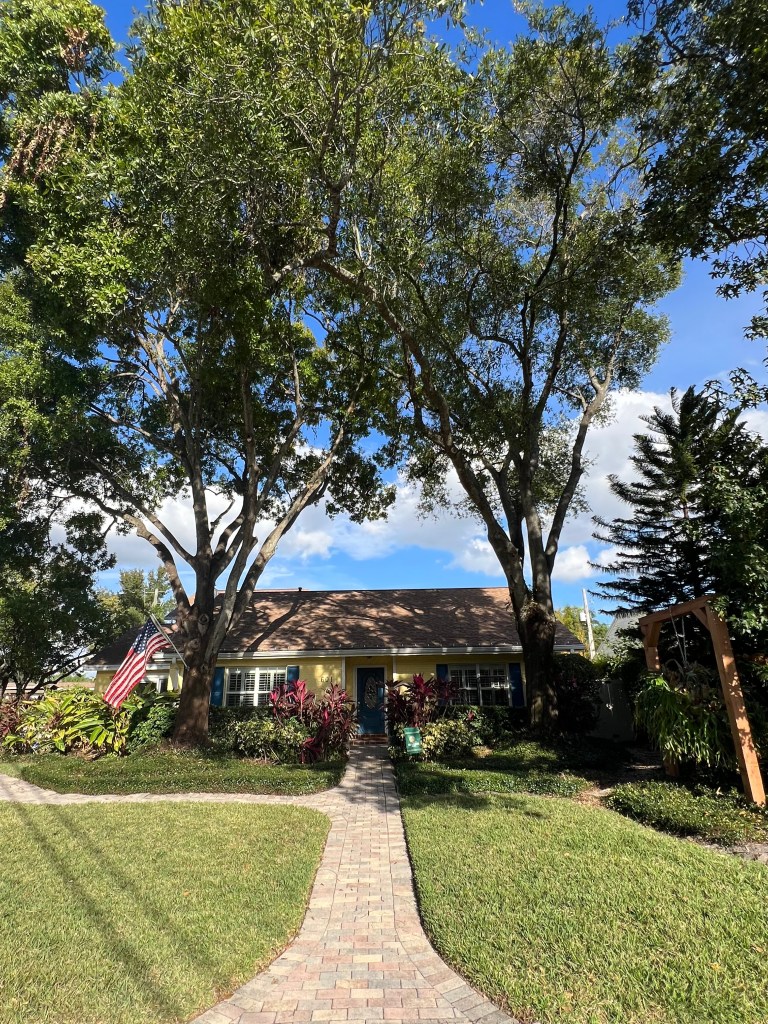
(our home- where we brought our daughter home for the 1st time )

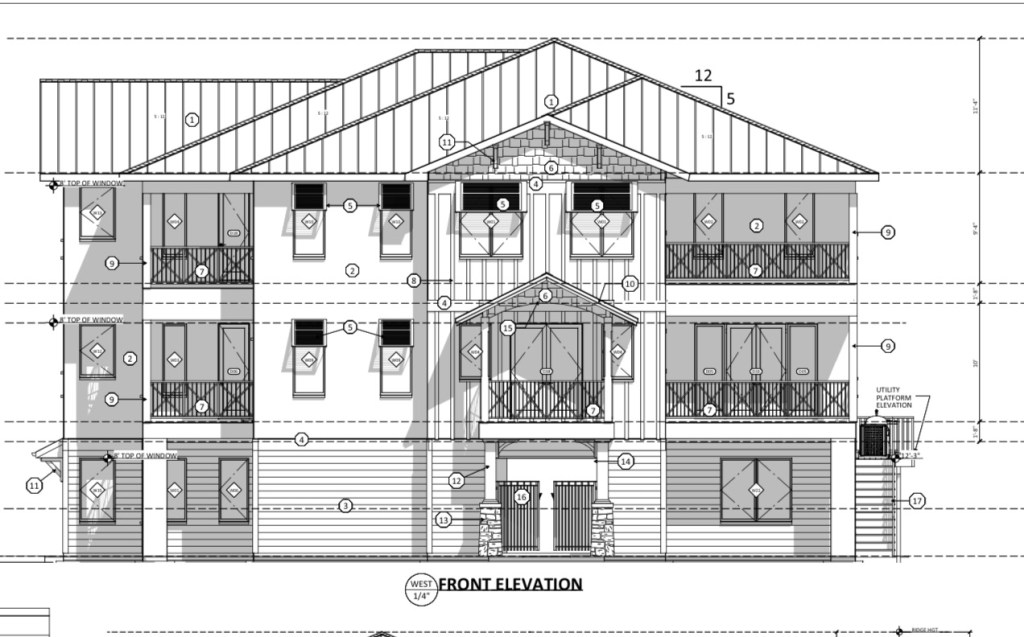
(prior new build front elevation plans)

The Day After the Storm

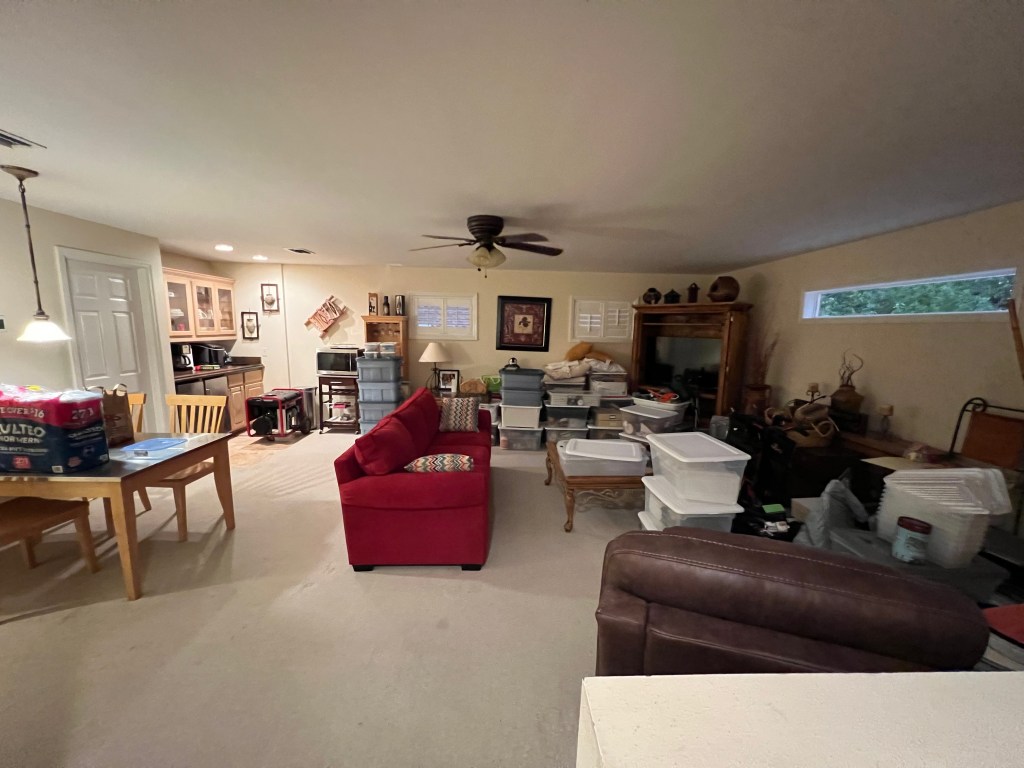
The day after Helene, we moved upstairs into our in-law suite — about 1,200 square feet that quickly became home for the next several months. It was safe and comfortable enough, but it came with challenges: one bedroom with two beds, no kitchen, and two Portuguese Water Dogs who believe they’re human.

The small bar sink upstairs was barely big enough to rinse a coffee mug, let alone wash a pan. I had visions of whipping up meals with a crockpot and toaster oven, but with no counter space for prep and no full-sized sink to clean up, cooking quickly became more stress than it was worth.

So, we ate out — not because we couldn’t cook, but because we needed to keep life moving. Between full-time jobs, school drop-offs, and lacrosse practices, eating out became our way to maintain a little comfort and normalcy while everything else was upside down.

(Photos from the upstairs in-law suite where we lived from Sept 2024- June 2025)

Finding the Fifth Wheel

About a month later, we started searching for an RV. With so many homes in our neighborhood flooded, the rental market had exploded. The few available houses were going for $5,000 a month or more for barely 1,200 square feet — and that just didn’t make sense for us.

Staying close to home was important, especially for our daughter. She wanted to stay in her same neighborhood, near friends and school. And honestly, we did too. So, instead of paying inflated rent, we made a different kind of investment — one that would let us stay put.

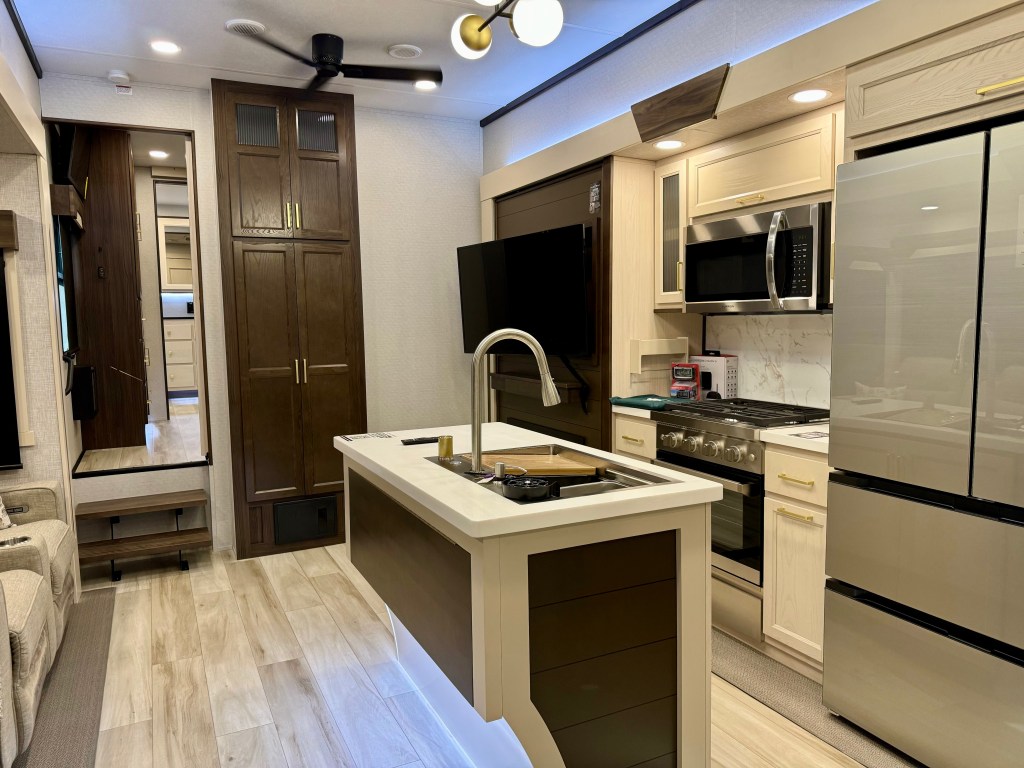
We eventually found our home-on-wheels: a Forest River Cedar Creek 380. It checked every box — two bedrooms, a one-and-a-half bath layout, and a real kitchen. It even has a mudroom, which makes a surprising difference when you live with two water-loving dogs.

I’ll admit, there were moments I questioned the choice. Would it be too cramped? Was I putting my family through unnecessary stress? But as it turns out, it’s been one of the best decisions we made.

What We Love
    •    2 Bedroom with split floor plan with space and privacy for everyone
    •    Kitchen island with a full-sized refrigerator
    •    Double sinks and a real shower in the master bath
    •    Plenty of storage and light throughout

What We’d Change
    •    A little more counter space for cooking
    •    A larger dining table (but it works)
    •    More closet space (apparently two dogs = two wardrobes)

The RV has become our “driveway dwelling” — a surprisingly comfortable, functional home that lets us keep working, schooling, and living right where we belong.

It’s not the life we planned, but it’s one that works. And for the first time since the storm, we’ve found our rhythm again.

(Picture of Reeses our youngest porty on the step into the master bedroom of the RV)

Two weeks ago marks one year since Helene changed everything. In Part 2, I’ll share how we finally made it to demo day — the moment we’ve been waiting for.

Our Beginning: The Night Everything Changed

We’ve lived in our home for over 15 years. Through countless summer storms, tropical systems, and close calls, the water has never even come close to our front door — not once. Until Hurricane Helene.

That night started like so many others before it: heavy rain, gusting wind, and a few nervous glances out the window. But this time, something was different. The water rose faster than we’d ever seen — inch by inch, until it crept past the front steps and spilled inside. Within minutes, we had nearly two feet of murky water swirling through our home.

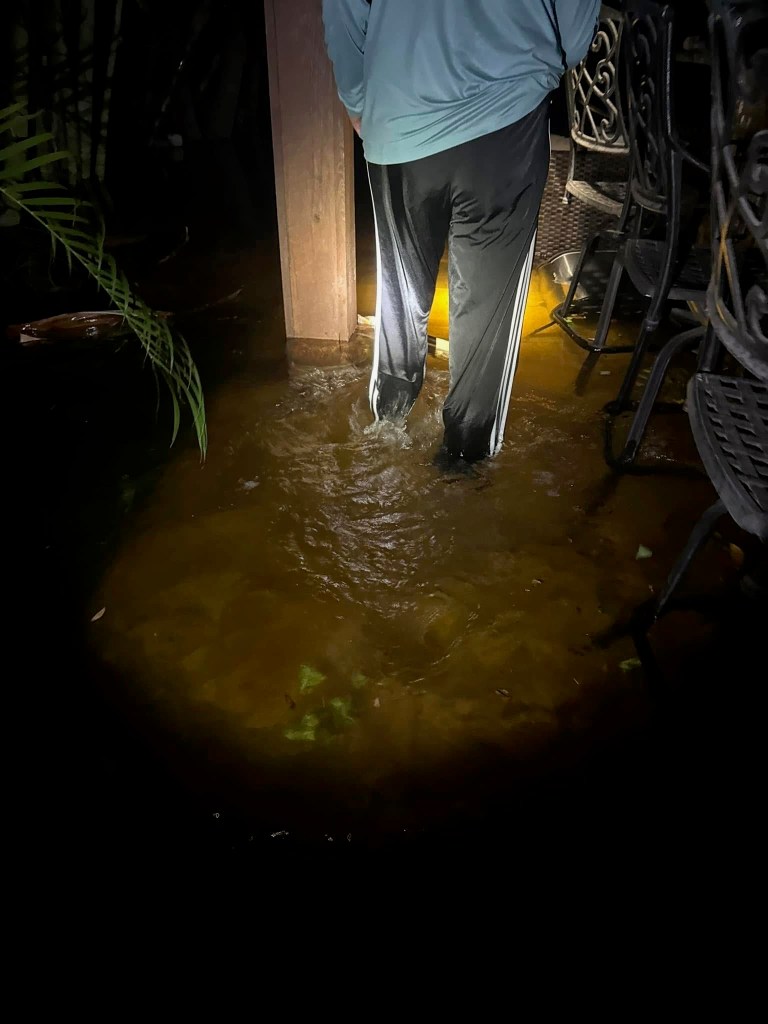
Outside, the street had become a river. Inside, the sound of rushing water mixed with disbelief. We grabbed what we could, trying to lift things higher, but it was coming too fast. By the time we opened the back door, the water in the yard was knee-high — our only way out.

We weren’t alone. My father-in-law, who has Parkinson’s, was staying with us that night. As the water continued to rise, a neighbor rushed over to help us get him up the back stairs to the second floor — the only entrance to the upstairs space is through that porch. It was dark, slippery, and chaotic, but somehow we all made it to safety.

When daylight finally came, the silence hit harder than the storm itself. The power was out, the air thick with humidity, and our home was unrecognizable. We stood there, frozen, surrounded by soaked furniture, floating shoes, and memories we didn’t yet know how to face.

The days that followed were a blur. Friends, coworkers, and neighbors showed up — boxes in hand, sleeves rolled up, ready to help. Together, we packed what we could salvage and hauled the rest to the curb.

That curb became a painful symbol of loss — a row of our life laid bare for the world to see: furniture, photo albums, our daughter’s artwork, the familiar things that made our house feel like home.

And then came the pickers.

They’d drive slowly down the street, scanning piles for anything worth taking. Some would quietly pull over, rummaging through the debris while we stood nearby. Every now and then, one would mutter, “Sorry for your loss,” under their breath before loading up and driving off. Most didn’t say anything at all. They just picked through the pieces of our life and moved on. It was humbling in a way that’s hard to describe — to watch strangers sift through what had once been your family’s memories.

But amid the heartbreak, something beautiful happened too. Our community — our little village — showed up again and again. Every helping hand, every kind word, every box carried out to the street was a reminder that we weren’t alone.

By the end of that first week, exhausted and heartbroken, we made a decision: we would rebuild, and this time, we would build higher. We never wanted to live through this again — not just for safety, but for peace of mind.

And so begins our next chapter:
Two Dogs and a Demo
Resilience on wheels. Home on hold.

(Photos from those first few days below — a reminder of how it started, and how far we’ve come.)